


How to Document Police Misconduct So Your Attorney Can Build a Strong Case
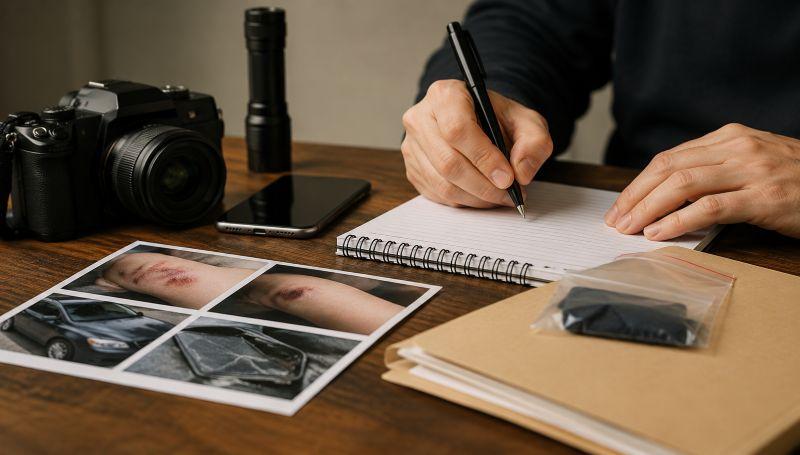
Encounters with law enforcement can change a person's life in a matter of minutes. When an interaction crosses the line into excessive force, unlawful detention, racial profiling, or another civil rights violation, the actions taken immediately afterward can significantly affect any future legal claim. While emotions often run high after such an event, carefully documenting what happened can preserve valuable evidence that may otherwise disappear.
If you believe your rights were violated, working with a knowledgeable Civil Rights Lawyer Victorville CA is an important step. However, even the most experienced attorney depends on the quality of the available evidence. The more complete and accurate your documentation is, the stronger your attorney's ability to investigate the incident, identify responsible parties, and pursue fair compensation.
This guide explains what information to preserve, common mistakes to avoid, and how proper documentation can strengthen a civil rights case.
Why Documentation Matters in Police Misconduct Cases
Civil rights claims often come down to evidence. Police reports may present one version of events, while witnesses, videos, medical records, and physical evidence may tell another story.
Documenting the incident helps:
- Preserve facts while memories are fresh
- Protect evidence from being lost or destroyed
- Support witness testimony
- Establish timelines
- Demonstrate the extent of physical and emotional harm
- Assist attorneys in identifying constitutional violations
Without detailed documentation, important facts may become difficult to prove months later.
Common Types of Police Misconduct
Not every unpleasant interaction with police amounts to misconduct. However, several situations may involve violations of constitutional rights.
Excessive Force
Law enforcement officers must use force that is objectively reasonable under the circumstances. Force that exceeds what is necessary may violate a person's constitutional rights.
Examples include:
- Unnecessary physical restraint
- Improper use of tasers
- Excessive baton strikes
- Unjustified shootings
- Physical assaults after a suspect is restrained
False Arrest or Unlawful Detention
Officers generally need legal justification to arrest or detain someone. Arresting an individual without probable cause may lead to a civil rights claim.
Illegal Search and Seizure
The Fourth Amendment protects individuals from unreasonable searches and seizures. Evidence obtained through unlawful searches may become an important issue in both criminal and civil proceedings.
Racial Profiling and Discrimination
Law enforcement decisions based primarily on race, ethnicity, religion, or another protected characteristic may violate federal civil rights laws.
Failure to Provide Medical Care
Individuals in police custody have constitutional protections regarding necessary medical treatment. Delayed or denied medical care can result in serious injuries and legal liability.
Document Everything as Soon as Possible
Time is one of the biggest factors in preserving evidence.
Write Down Every Detail
As soon as you are in a safe place, create a written account of the incident.
Include details such as:
- Date
- Time
- Exact location
- Weather conditions
- Names or badge numbers of officers
- Patrol car numbers
- Agency involved
- What happened before the encounter
- Exact words spoken by officers
- Your responses
- Physical actions taken
- Whether force was used
- How the incident ended
Even small details can become important later.
Create a Timeline
Organize events in chronological order.
A timeline helps attorneys identify inconsistencies between your account and official reports while making it easier to reconstruct what happened.
Preserve Physical Evidence
Physical evidence often becomes one of the strongest forms of proof.
Do not wash, repair, or discard items connected to the incident.
Examples include:
- Torn clothing
- Broken eyeglasses
- Damaged phones
- Blood-stained clothing
- Shoes
- Personal belongings damaged during the encounter
Store these items safely and avoid altering them.
Photograph All Visible Injuries
Injuries change quickly as bruises heal and swelling decreases.
Take clear photographs of:
- Bruises
- Cuts
- Scrapes
- Swelling
- Burns
- Broken bones
- Medical devices such as casts or braces
Continue taking photographs over several days as injuries develop.
Include the date whenever possible.
Obtain Medical Treatment Immediately
Even if injuries appear minor, seek medical care promptly.
Medical records serve two important purposes:
- They protect your health.
- They create independent documentation of injuries.
Tell healthcare providers exactly how your injuries occurred so your medical records accurately reflect the incident.
Keep copies of:
- Emergency room records
- Hospital discharge papers
- Physician notes
- X-rays
- MRI reports
- Physical therapy records
- Prescription information
- Medical bills
Preserve Video and Audio Evidence
Today's technology has made video evidence one of the most valuable tools in civil rights litigation.
Possible sources include:
Personal Cell Phone Recordings
If you or someone nearby recorded the incident, save the original file.
Avoid editing the video.
Create backup copies in secure storage.
Surveillance Cameras
Nearby businesses, homes, or public buildings may have security cameras.
Many surveillance systems automatically overwrite footage after only a few days.
Your attorney can often act quickly to request preservation of this evidence.
Dashboard and Body Camera Footage
Many police departments use dash cameras and body-worn cameras.
An attorney may pursue official procedures to request preservation and production of these recordings before they are deleted under agency policies.
Gather Witness Information
Independent witnesses can significantly strengthen a police misconduct case.
If possible, obtain:
- Full names
- Phone numbers
- Email addresses
- Home addresses
- Short summaries of what they observed
Witness memories fade with time, making early documentation especially valuable.
Save Digital Evidence
Digital information often tells a detailed story about what happened.
Examples include:
- Text messages
- Social media messages
- GPS history
- Phone call logs
- Photographs
- Videos
- Cloud backups
- Emails
Do not delete anything connected to the incident.
Avoid Posting Too Much on Social Media
Many people naturally want to share their experiences online.
However, public posts can sometimes complicate future litigation.
Insurance companies, government attorneys, and defense counsel may review social media content for statements that appear inconsistent with later testimony.
Instead, preserve your documentation privately and discuss the incident with your attorney before making detailed public statements.
Request Public Records Carefully
Certain public records may become available depending on applicable laws and agency procedures.
These records might include:
- Dispatch logs
- Incident reports
- Arrest reports
- CAD records
- Jail records
- Use-of-force reports
An experienced Civil Rights Lawyer Victorville CA understands which records may be available and how to pursue them effectively.
Keep Track of Financial Losses
Civil rights cases often involve more than physical injuries.
Maintain records of:
- Lost wages
- Missed work
- Medical expenses
- Therapy costs
- Medication expenses
- Property damage
- Transportation expenses
- Future medical recommendations
These records help demonstrate the financial impact of the incident.
Document Emotional and Psychological Effects
Police misconduct frequently causes lasting emotional trauma.
Many individuals experience:
- Anxiety
- Depression
- Sleep disturbances
- Panic attacks
- PTSD symptoms
- Fear of law enforcement
Consider keeping a daily journal describing:
- Pain levels
- Emotional struggles
- Missed activities
- Family impact
- Work limitations
These personal observations can help demonstrate ongoing damages alongside medical evidence.
Do Not Discuss the Incident with Investigators Without Legal Advice
After an incident, investigators or government representatives may contact you.
Although cooperation can seem appropriate, providing statements before speaking with an attorney may unintentionally affect your legal claim.
Before giving recorded interviews or signing documents, consult qualified legal counsel.
A Real-World Example
Consider a hypothetical example based on situations frequently seen in civil rights litigation.
A Victorville resident is stopped during a routine traffic stop. The encounter escalates, resulting in the driver being forcibly removed from the vehicle and suffering a fractured wrist. Officers report that the individual resisted arrest.
Fortunately, several pieces of evidence are preserved:
- A nearby store captures surveillance video.
- A bystander records part of the encounter.
- Medical records document the fracture within hours.
- The driver's damaged clothing is preserved.
- Witnesses provide written statements.
- Cell phone metadata confirms the timeline.
When presented together, these materials help the attorney challenge inconsistencies in the official report and develop a stronger case supported by objective evidence rather than conflicting recollections alone.
Common Mistakes That Can Hurt a Civil Rights Case
Many valid claims become more difficult because important evidence disappears.
Avoid these mistakes:
Waiting Too Long
Delays can result in:
- Lost surveillance footage
- Faded witness memories
- Missing records
- Healing injuries with little documentation
Altering Evidence
Never edit videos, modify photographs, or repair damaged property before your attorney reviews it.
Original evidence carries greater credibility.
Forgetting Small Details
Even details that seem unimportant—such as nearby businesses, weather conditions, or officer statements—may later become valuable pieces of the overall investigation.
Assuming Police Reports Tell the Whole Story
Official reports represent one account of an incident. Independent documentation often provides important context that helps attorneys evaluate whether constitutional rights were violated.
How an Experienced Attorney Uses Your Documentation
A well-documented file allows an attorney to:
- Investigate constitutional violations
- Interview witnesses
- Compare evidence against official reports
- Preserve surveillance footage
- Consult expert witnesses
- Calculate damages
- Build a compelling legal strategy
Comprehensive documentation also strengthens negotiations and, when necessary, prepares the case for litigation.
Why Choosing the Right Legal Representation Matters
Civil rights litigation is highly specialized. Cases involving police misconduct often require knowledge of constitutional law, governmental immunity, evidentiary rules, and federal civil rights statutes.
The James S. Terrell Law Office has Years of Experience representing individuals whose constitutional rights have been violated. A trusted and reliable legal advocate understands how to evaluate evidence, identify legal issues, and pursue accountability when government misconduct causes harm.
If you believe your rights have been violated, speaking with a Civil Rights Lawyer Victorville CA as soon as possible can help preserve evidence before it is lost and position your case for the strongest possible outcome.
Final Thoughts
No one expects to become involved in a police misconduct incident, but knowing how to document the aftermath can make a substantial difference. Careful records, timely medical care, preserved evidence, and credible witness information provide the foundation for an effective legal claim.
Although every case is different, acting promptly and preserving every available piece of evidence gives your attorney the tools needed to investigate thoroughly and advocate for your rights. When constitutional protections are violated, accurate documentation can be one of the most powerful assets in the pursuit of justice.

 English
 Arabic
 French
 Spanish
 Portuguese
 Deutsch
 Turkish
 Dutch
Dutch
 Italiano
 Russian
 Portuguese (Brazil)
 Greek
Greek