


Skipping Ceramic Coating Prep? Know What Can Go Wrong Today!
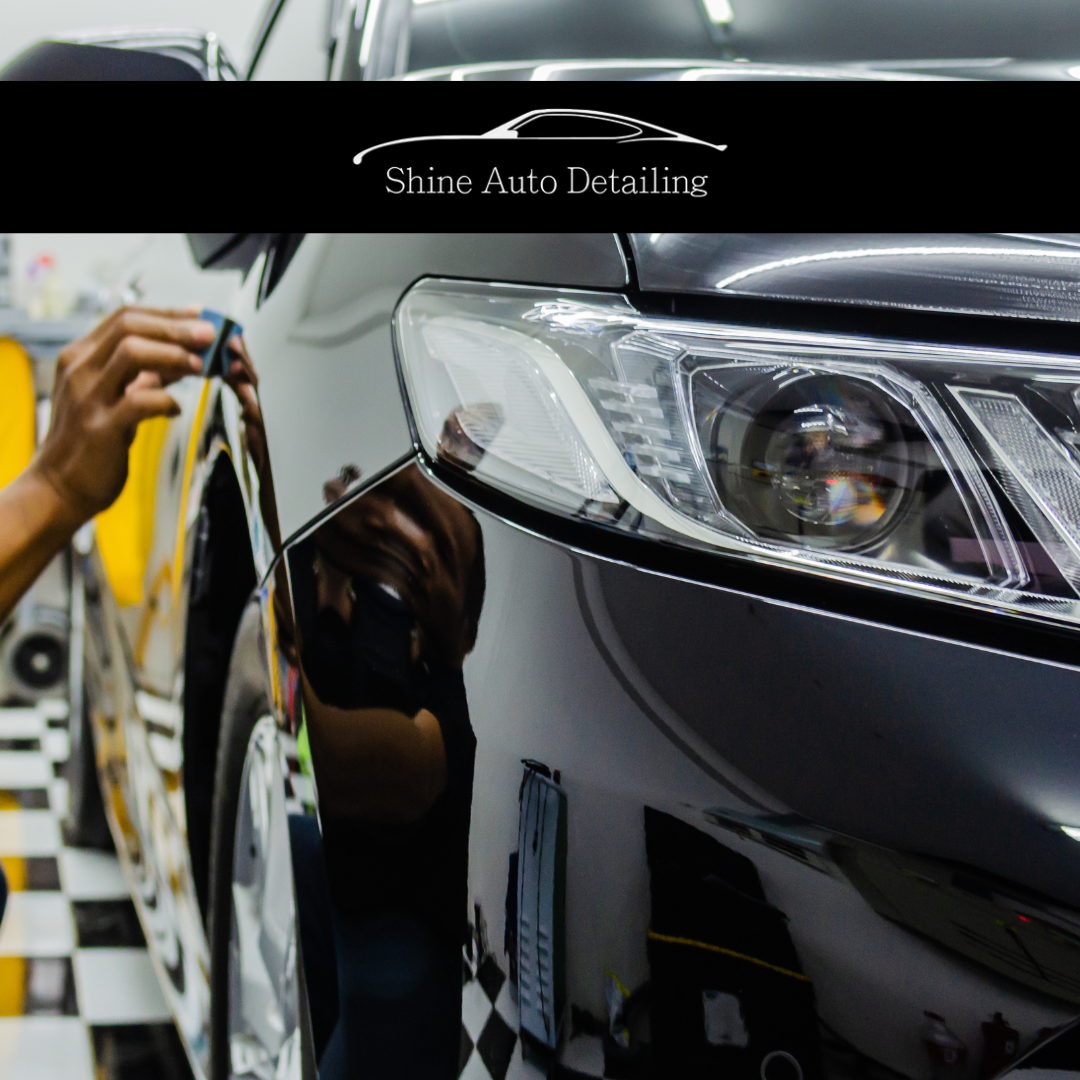
Discover what happens when ceramic coating is applied without paint preparation, from trapped defects and poor bonding to inconsistent gloss and water behavior.
Skipping paint prep before a Ceramic Coating can leave contamination, polishing oils, water-spot marks, or visible defects trapped under the protective layer. The vehicle may look good at first, but gloss, bonding, and water behavior can become less consistent over time.
Proper preparation is not an optional extra. It is the process that gives the coating a genuinely clean, stable surface to bond to. The right prep level depends on the vehicle’s current paint condition.
The Honest Truth: Ceramic Coating Does Not Fix Poor Prep
A Ceramic Coating is designed to protect and enhance paint. It is not designed to remove scratches, erase swirl marks, or hide contamination that was left behind before application.
Think of it this way: applying protection over poorly prepared paint is like putting a clear cover over a dirty phone screen. The cover may still sit on top, but everything underneath remains visible.
That is why an experienced detailer spends time inspecting the vehicle before discussing a coating package. The preparation work often decides whether the finish looks refined and lasts as expected.
What Proper Paint Preparation Really Includes
Good paint preparation is not one quick wash. It is a step-by-step process that removes surface dirt, embedded contamination, old residues, and paint defects that could affect the final appearance.
The exact process should be based on the vehicle’s age, paint condition, previous protection, storage habits, and how the owner wants the vehicle to look afterward.
1. A Thorough Wash Removes Surface Dirt
The first stage removes loose dust, road film, bug residue, and everyday grime. This creates a safer starting point before any deeper cleaning or correction work begins.
A normal wash is important, but it does not always remove the contaminants you cannot easily see or feel.
Why “Clean” Does Not Always Mean Ready
Paint can look clean while still holding bonded iron particles, tar, industrial fallout, old wax, silicone residue, or minerals from hard water. These can interfere with a smooth, clean finish.
That is why the preparation process should go beyond a basic wash when the paint condition requires it.
2. Decontamination Creates a Smoother Surface
Chemical and mechanical decontamination help remove embedded particles that washing alone may leave behind. This step can make the paint feel smoother and reveal the true condition of the finish.
Skipping this stage can leave roughness beneath the protective layer. It may also make later polishing less effective or more time-consuming.
3. Paint Correction Handles Defects Before They Are Sealed In
Swirl marks, light scratches, haze, oxidation, and water-spot etching do not disappear once protection is applied. In many cases, they become easier to notice because the finish gains more gloss and reflection.
A Ceramic Coating can enhance the appearance of well-corrected paint, but it cannot reverse defects that are already underneath it. This is why the correction should be discussed before the application.
Not Every Vehicle Needs Heavy Correction
A newer vehicle with light imperfections may only need a gentle enhancement polish. An older daily driver may need a more involved approach to improve clarity and reduce visible defects.
The correct choice should be based on paint thickness, defect depth, owner expectations, and long-term paint safety. A responsible detailer will not promise perfection when it is not realistic.
4. Final Panel Wipe Removes Invisible Residue
Polishing can leave oils and residue on the surface. A final panel wipe helps remove those remaining traces so the coating is applied to clean paint rather than to leftover product residue.
This paint preparation step is especially important after polishing. It allows the detailer to inspect the true finish and prepare the panel for protection.
Final Inspection Before Ceramic Coating
Before a Ceramic Coating is applied, the paint should be clean, dry, cool, and checked under proper lighting. This is the point where missed haze, residue, fingerprints, or defects should be identified.
A rushed final inspection can lead to a finish that looks acceptable indoors but disappointing when viewed in direct sunlight.
What Can Happen When Prep Is Skipped?
Skipping preparation does not always mean the coating will fail immediately. However, it increases the chance of disappointing appearance, inconsistent performance, and avoidable rework later.
Here are the most common issues vehicle owners may notice.
Visible Defects Can Be Locked Under the Finish
Swirls, stains, haze, and scratches may remain visible after the coating is installed. Since the protective layer is already on top, correcting those issues later can require removing or polishing through the coating.
That means the vehicle owner may pay for correction work that could have been handled before protection was applied.
The Finish May Feel Less Smooth Than Expected
If embedded contamination remains on the paint, the surface can still feel rough after the job is complete. The coating follows the condition of the paint; it does not magically flatten contaminants already bonded to it.
A properly prepared surface gives the vehicle a cleaner, smoother, and more refined final feel.
Water Behavior May Look Inconsistent
Owners often expect water to bead or sheet consistently across the whole vehicle. When oils, residue, or contamination interfere with bonding, some panels may behave differently from others.
This does not automatically prove the product is poor. It may indicate that the surface underneath was not prepared evenly.
You May End Up Paying for the Job Twice
When visible defects or bonding issues become a problem, the solution may involve polishing the panel again and reapplying protection. That costs more than addressing the paint condition properly from the beginning.
A cheaper quote that skips key prep steps can become more expensive once corrections and rework are needed later.
Quick Comparison: Proper Prep vs. Rushed Prep
|
Area |
Proper Preparation |
Rushed or Skipped Preparation |
|
Paint condition |
Inspected before work begins |
Assumed without close inspection |
|
Surface cleanliness |
Washed and decontaminated as needed |
Basic wash only |
|
Paint defects |
Discussed and corrected where appropriate |
Left beneath the protection |
|
Polishing residue |
Removed before application |
May remain on the panel |
|
Final appearance |
Clearer, smoother, more consistent |
Glossy at first, but may show flaws |
|
Long-term value |
Better chance of meeting expectations |
Higher risk of rework or disappointment |
How to Tell Whether a Detailer Is Doing the Prep Properly
You do not need to be a detailing expert to ask smart questions. The right provider should explain the process clearly and set realistic expectations for your specific vehicle.
Questions Worth Asking Before You Book
-
What preparation steps are included in my quote?
-
Will the vehicle be chemically or mechanically decontaminated?
-
Do you recommend polishing or paint correction before protection?
-
How will you remove polishing oils before application?
-
Will you inspect the paint under proper lighting?
-
What imperfections may remain after the service?
A Strong Answer Should Sound Specific
A trustworthy detailer will explain what your car needs and why. They should not use the same package recommendation for every vehicle without inspecting its paint first.
Look for clear language, written scope details, and realistic outcomes. The best result is not always “perfect paint.” It is a finish that looks noticeably better while staying safe for the vehicle’s long-term condition.
When a Lighter Prep Process May Be Enough
Not every vehicle needs an intensive correction package. A newer car with minimal defects may only need a careful wash, decontamination, a light enhancement polish, and final panel preparation.
The goal is not to sell unnecessary work. The goal is to match the process to the paint’s actual condition and your expectations for the final result.
That is one of the clearest signs of honest automotive care: the provider recommends what the vehicle needs, not simply the most expensive option.
Final Takeaway
Skipping Ceramic Coating preparation can reduce the quality of the final finish and leave avoidable issues beneath the protective layer. The coating should be the final step in a process, not a shortcut around cleaning, decontamination, and correction.
Before booking, ask what preparation is included, how the paint will be inspected, and whether any defects will remain visible after the work. Clear answers now can protect your investment later.
Author Bio
The author is an automotive paint-protection specialist with hands-on experience in ceramic coating application, paint preparation, detailing, and paint correction. They focus on helping vehicle owners understand how proper surface care, realistic expectations, and professional protection methods can preserve a vehicle’s finish and long-term appearance.
Frequently Asked Questions
Can a coating hide swirl marks and scratches?
No. It may add gloss and make paint look richer, but it does not remove swirl marks or scratches. Those defects should be addressed through suitable polishing or correction before protection is applied.
Is paint preparation necessary for a new car?
Yes, although the amount of work may be lighter. New vehicles can still have transport contamination, dealership wash marks, residue, and light defects that should be inspected before protection.
Can I apply protection after only washing my car?
A simple wash may be enough for some short-term spray products, but professional-grade protection usually needs a cleaner and more carefully prepared surface. Follow the product manufacturer’s instructions and assess the paint condition first.
Does every car need paint correction first?
No. Some vehicles only need a light polish or basic refinement. The right level depends on visible defects, paint condition, owner expectations, and how much correction can be performed safely.

 English
 Arabic
 French
 Spanish
 Portuguese
 Deutsch
 Turkish
 Dutch
Dutch
 Italiano
 Russian
 Portuguese (Brazil)
 Greek
Greek