


Washing Fastness Tester: A Key Instrument for Textile Quality and Color Durability
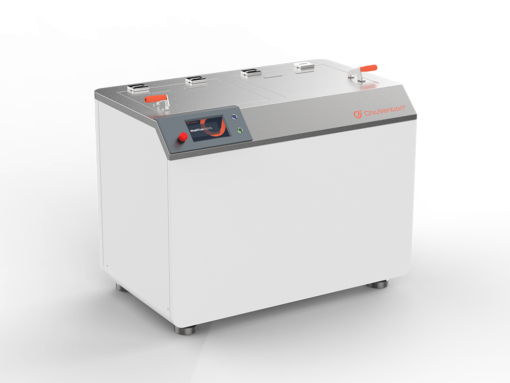
A Washing Fastness Tester is an essential laboratory testing device used in the textile industry to evaluate how well dyed or printed fabrics resist fading and color bleeding during washing. Since washing is one of the most common methods of fabric care, understanding how textiles respond to repeated laundering is crucial. This instrument helps manufacturers assess color stability under standardized conditions, ensuring that fabrics meet quality expectations before reaching consumers.
Understanding Washing Fastness in Textiles
Washing fastness refers to the ability of a fabric to maintain its original color when exposed to washing conditions such as water, detergent, heat, and mechanical agitation. During dyeing, color molecules are expected to bond strongly with fibers. However, if the bonding is weak or incomplete, dyes may gradually wash out or transfer to other fabrics.
The Washing Fastness Tester replicates these conditions in a controlled laboratory environment, allowing textile producers to predict how a fabric will behave in real-life washing situations. This ensures consistent product quality and reduces the risk of customer complaints.
What is a Washing Fastness Tester?
A Washing Fastness Tester is a precision testing machine designed to simulate standardized washing processes. It is widely used in textile laboratories, garment factories, dyeing units, and research centers.
The device typically consists of a temperature-controlled water bath, rotating stainless steel containers, sample holders, and a digital control system. Fabric specimens are placed inside these containers along with detergent solutions and multi-fiber fabrics. The machine then operates under controlled time, temperature, and agitation conditions to mimic washing cycles.
Working Principle of Washing Fastness Tester
The working principle of a Washing Fastness Tester is based on replicating real washing conditions in a laboratory setting. A fabric sample is exposed to detergent solution while being subjected to controlled mechanical movement and temperature.
A multi-fiber fabric is included in the test to assess color transfer to different fiber types. The machine rotates or oscillates the containers for a defined duration, simulating the action of a household washing machine.
After the test cycle, the samples are rinsed, dried, and evaluated for two main factors: color change in the original fabric and staining on adjacent fabrics. These results are compared using standardized grey scales to determine the washing fastness rating.
Procedure of Washing Fastness Test
The Washing Fastness Test is carried out according to international standards such as ISO 105-C06 and AATCC 61. The general procedure includes:
- Sample Preparation: A fabric specimen is cut and attached to a multi-fiber strip.
- Solution Preparation: A standardized detergent solution is prepared based on test requirements.
- Loading the Machine: Samples are placed in stainless steel containers with the solution.
- Testing Cycle: The machine runs at controlled temperature and rotation speed for a specified time.
- Rinsing and Drying: After completion, samples are thoroughly rinsed and air-dried.
- Evaluation: Color change and staining are assessed using grey scale standards.
This standardized method ensures reliable and repeatable test results across laboratories worldwide.
Features of Washing Fastness Tester
Modern Washing Fastness Testers are designed with advanced features to improve accuracy and efficiency, including:
- Digital temperature control system for precise heat regulation
- Programmable testing cycles for different international standards
- Multiple sample testing capacity for improved productivity
- Uniform rotation mechanism for consistent agitation
- Stainless steel construction for corrosion resistance and durability
- Safety features such as automatic shutdown and overheating protection
These features make the instrument suitable for continuous industrial and laboratory use.
Applications in the Textile Industry
The Washing Fastness Tester is widely used in various sectors of textile production and research:
- Fabric Manufacturing Units: To verify dye stability in raw textiles
- Garment Industry: To test finished clothing before distribution
- Research and Development Labs: To improve dye formulations and finishing techniques
- Quality Control Departments: To maintain production consistency
- Export Testing Facilities: To meet international buyer requirements
Its versatility makes it a core instrument in textile quality assurance systems.
Importance of Washing Fastness Testing
Washing fastness testing is crucial for ensuring product durability and customer satisfaction. Fabrics with poor washing fastness may fade quickly, stain other garments, and lose visual appeal after only a few washes. This can lead to product returns and damage to brand reputation.
By using a Washing Fastness Tester, manufacturers can identify dyeing defects early, optimize processing conditions, and improve fabric performance. It also helps ensure compliance with global textile standards, which is essential for international trade and export markets.
Conclusion
A Washing Fastness Tester is a vital instrument in textile quality control that evaluates how well fabrics retain their color after washing. By simulating real laundering conditions in a controlled environment, it provides accurate and standardized results for manufacturers. This enables the production of durable, high-quality textiles that meet consumer expectations and international standards. As demand for long-lasting and color-stable fabrics continues to grow, the importance of washing fastness testing remains central to modern textile manufacturing.

 English
 Arabic
 French
 Spanish
 Portuguese
 Deutsch
 Turkish
 Dutch
Dutch
 Italiano
 Russian
 Portuguese (Brazil)
 Greek
Greek